Although our cities are growing by the day, they are suffering from a lack of green spaces. This can negatively impact the air quality and mental well-being of those who live in urban areas - almost 85% of the UK’s population - as well as contributing to the urban heat island (UHI) effect, where cities are much warmer than rural areas.
Fortunately, this is an issue that many governments worldwide are looking to tackle through urban greening, and more sustainable urban landscaping is being installed across our cities to combat climate change. This article will explore the benefits of urban greening, common strategies to achieve it, and how we’ve contributed here at Scotscape.
What Is Urban Greening?
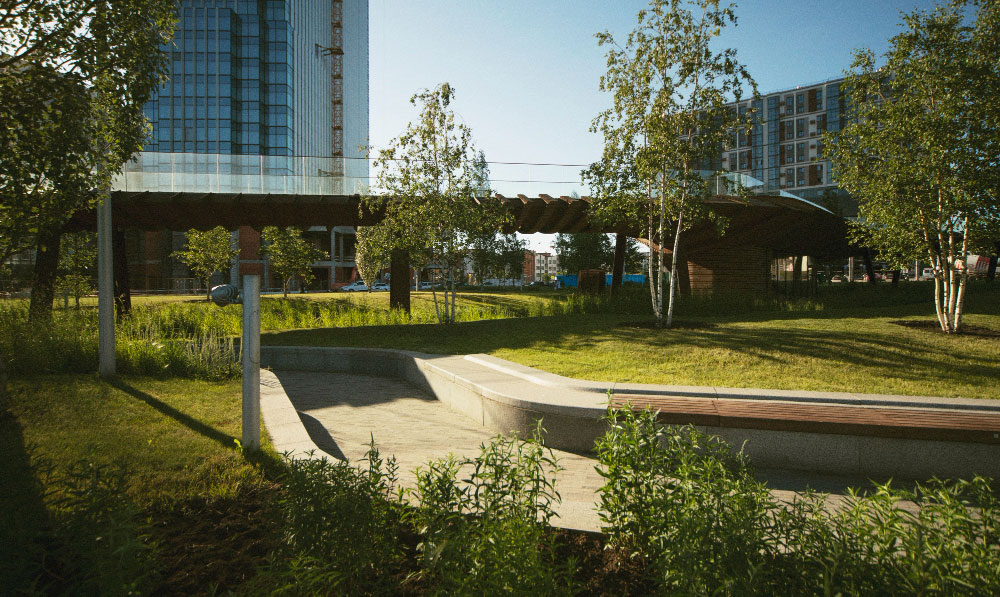
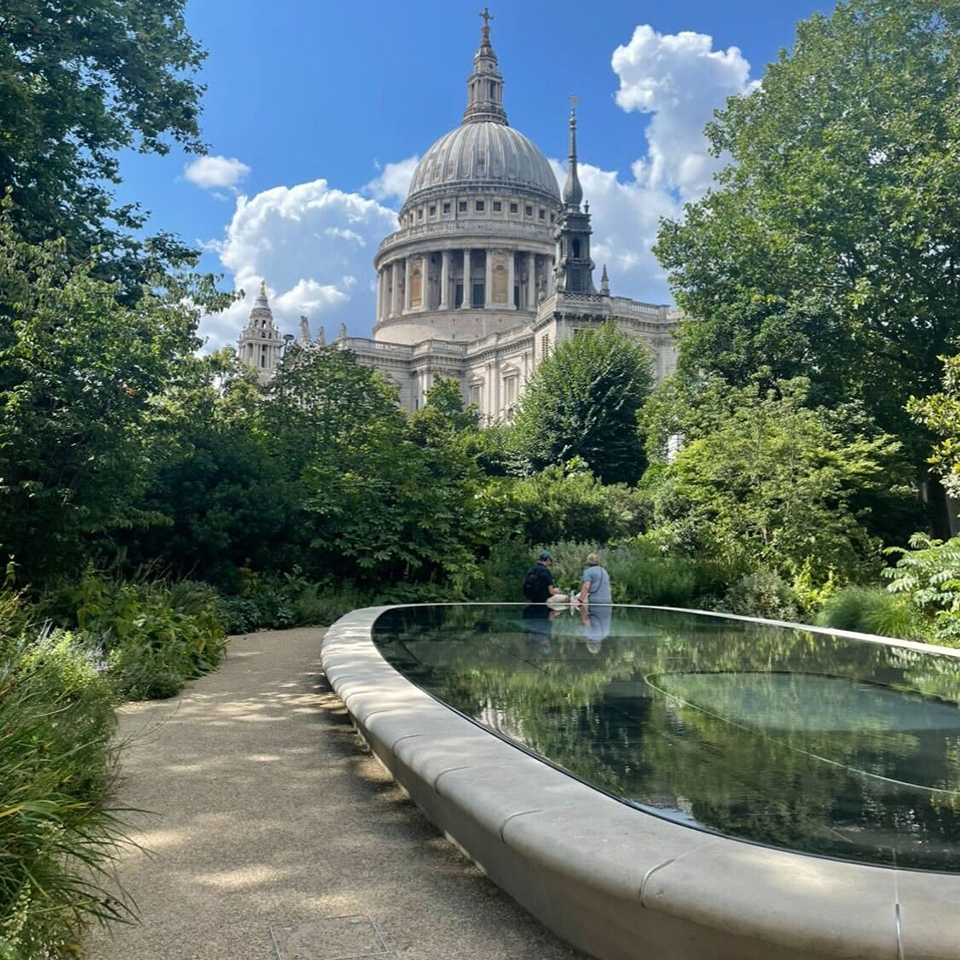
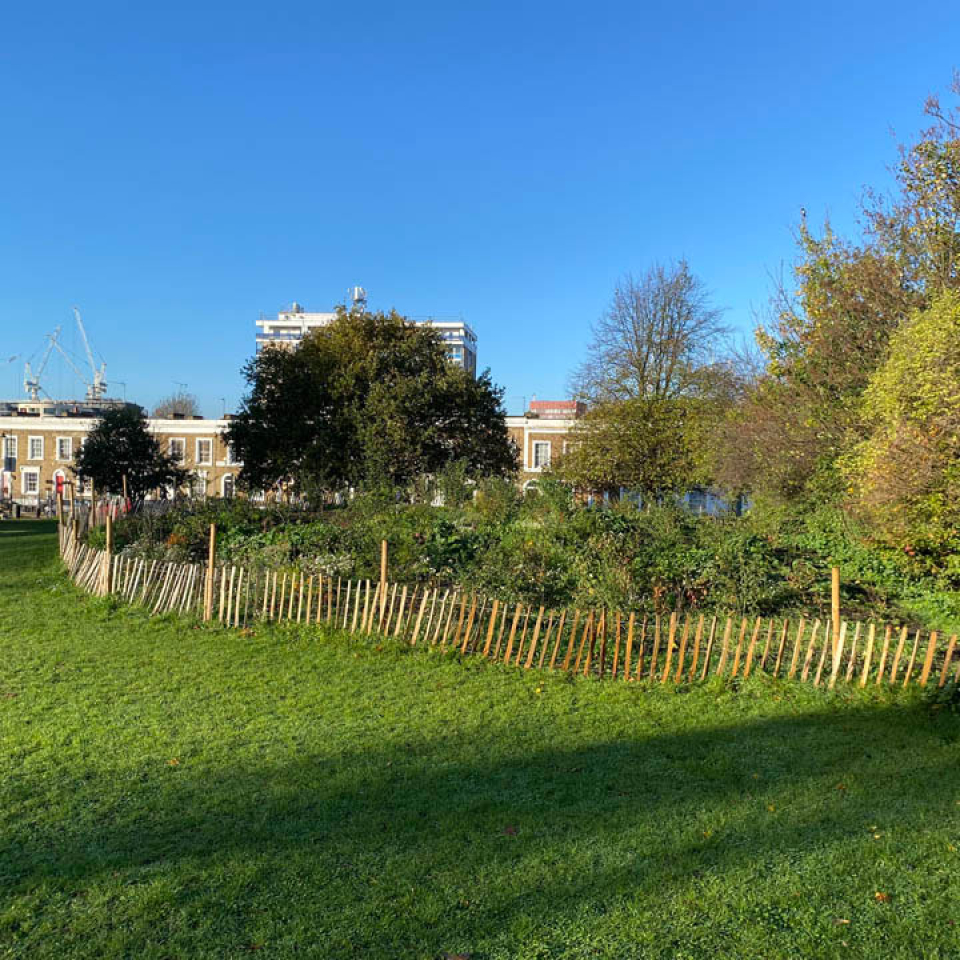
By definition, urban greening is a public landscaping and urban forestry scheme that promotes mutually beneficial relationships between city inhabitants and their surrounding environment. In other words, it’s about changing our urban spaces from concrete jungles to green areas we enjoy spending time in, reaping the social, economic, and environmental benefits that come with this. Popular examples of urban greening include living walls, pocket parks, and micro forests - we’ll explore these in more detail later.
Back in 2018, the Mayor of London, Sadiq Khan, set out an ambitious target of making London a zero-carbon city and at least 50% green by 2050. Urban greening has been instrumental in helping London take great strides towards meeting these targets, which would see the capital become the greenest global city.
What Is the Urban Greening Factor?
The Urban Greening Factor (UGF) is a planning tool that assigns weighted “greening scores” to different types of vegetation and green infrastructure on a development site. This ensures a minimum, quantified level of greenery by comparing the site’s total greening score against a target factor value.
Urban greening projects are the practical application of the UGF framework; by installing green roofs, planting street trees, or incorporating living walls, site developers can accrue greening “points” based on the type, extent, and ecological value of each intervention.
What Are the Benefits of Urban Greening?
There are many benefits of urban greening, which is why so many projects in major cities such as London, Manchester, and Birmingham are getting involved. Let’s explore the advantages for the wider cities, the businesses within, and the people who live and work there:
Benefits for Cities:
- Reduces urban heat island effects through increased shade and evapotranspiration.
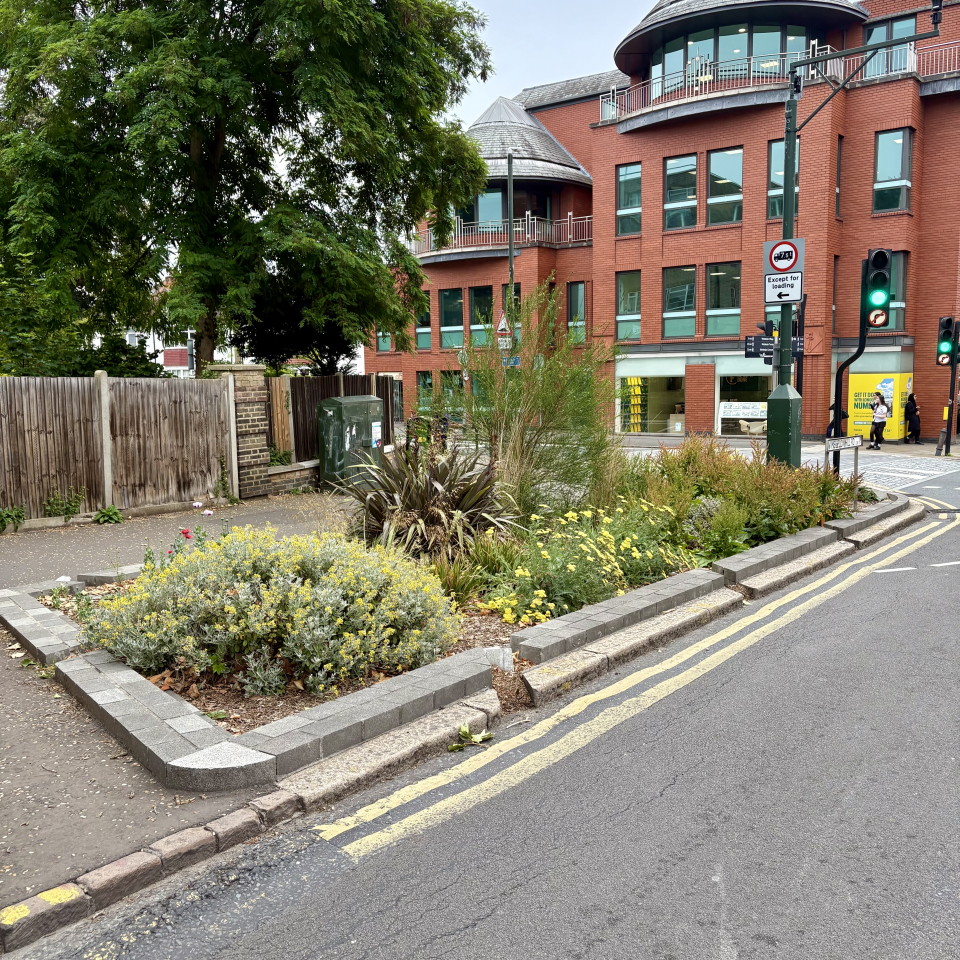
- Strengthens stormwater management by absorbing and filtering water runoff.
- Improves air quality by trapping airborne pollutants, such as particulate matter.
- Supports urban biodiversity by creating natural habitats and ecological corridors.
- Creates a more resilient and attractive city for residents, commuters, and tourists.
Benefits for Businesses:
- Increases foot traffic and dwell time, as customers tend to stay longer in greener areas.
- Reduces energy costs through natural cooling and shading of commercial buildings.
- Strengthens business image through visible sustainability efforts.
- Improves property value, since green buildings are more desirable.
- Attract and retain employees who value healthy, attractive work environments
Benefits for People:
- Promotes increased physical and mental well-being through access to green spaces.
- Encourages outdoor activity and social interaction in safer, more inviting areas.
- Improves respiratory health by lowering airborne particulates.
- Limits noise from motorways or other busy roads, since plants absorb acoustic energy.
- Reduces stress and anxiety, as green spaces create a positive emotional response.
What Are Common Urban Greening Strategies?
So, how is urban greening achieved? Here are some of the most common strategies that project planners use to help our cities become greener:
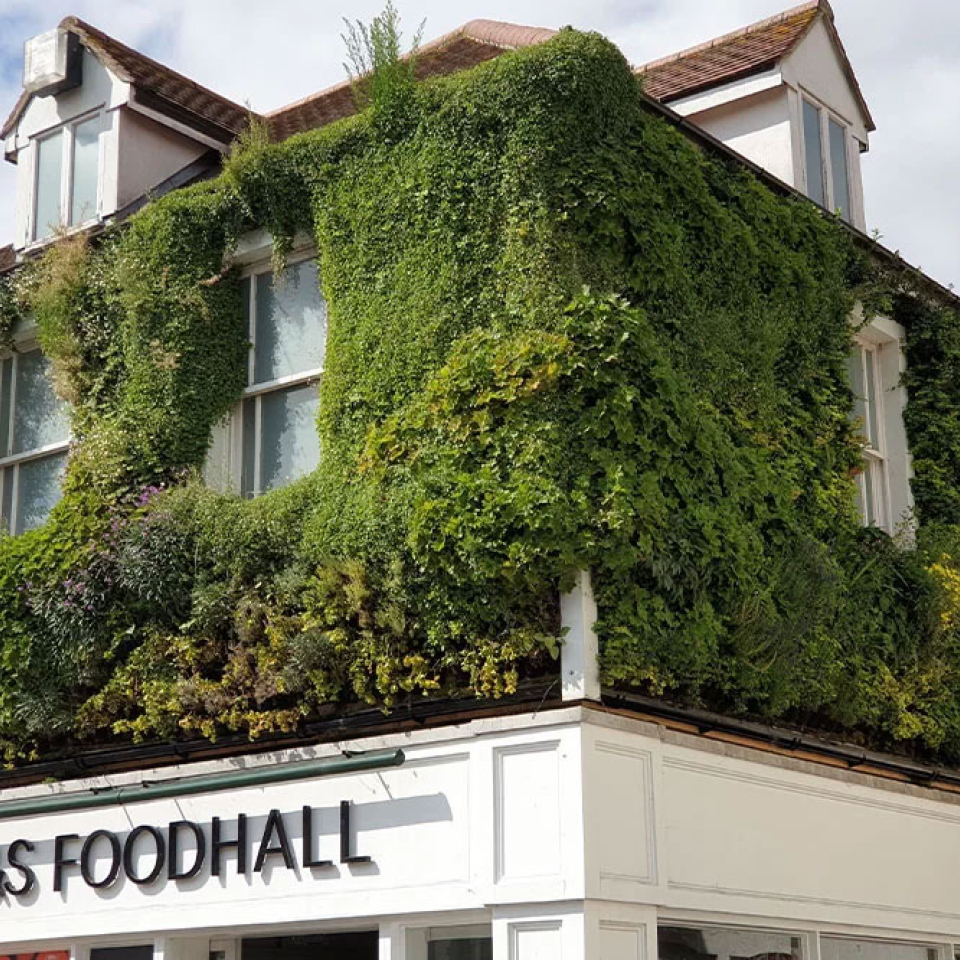
Living Walls

Green Roofs

Street Trees
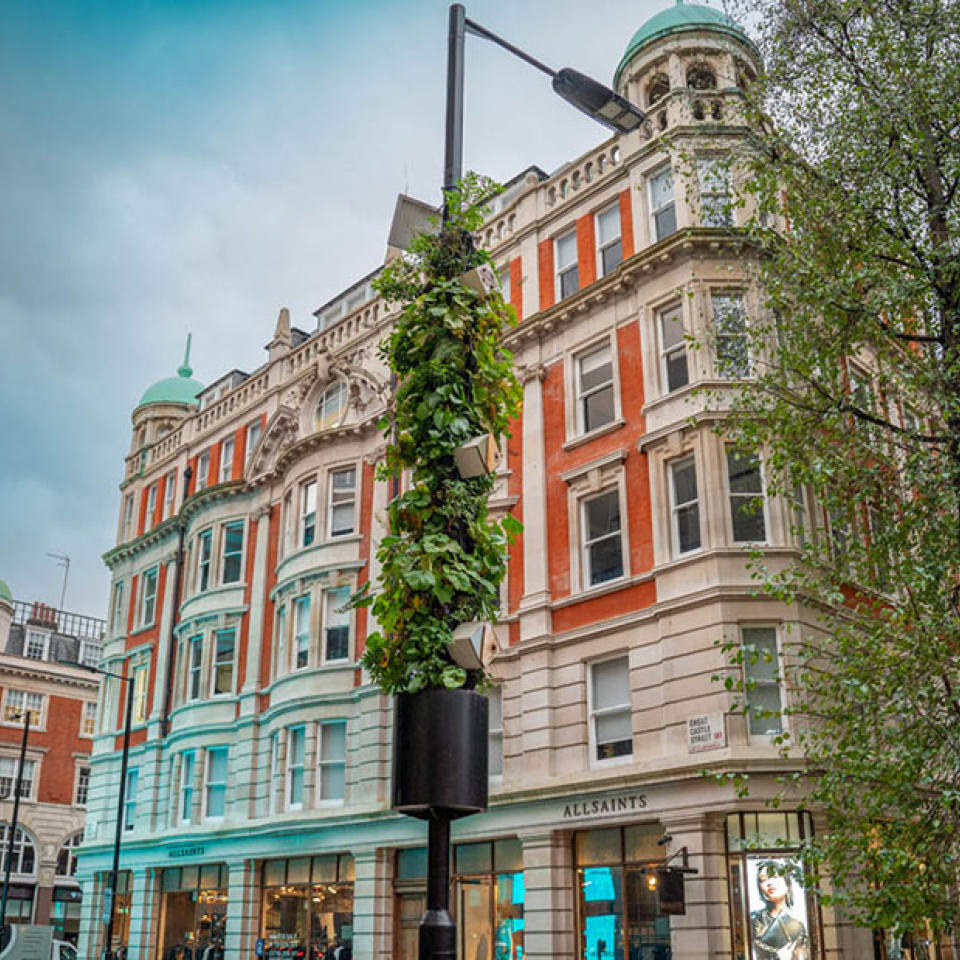
Living Pillars
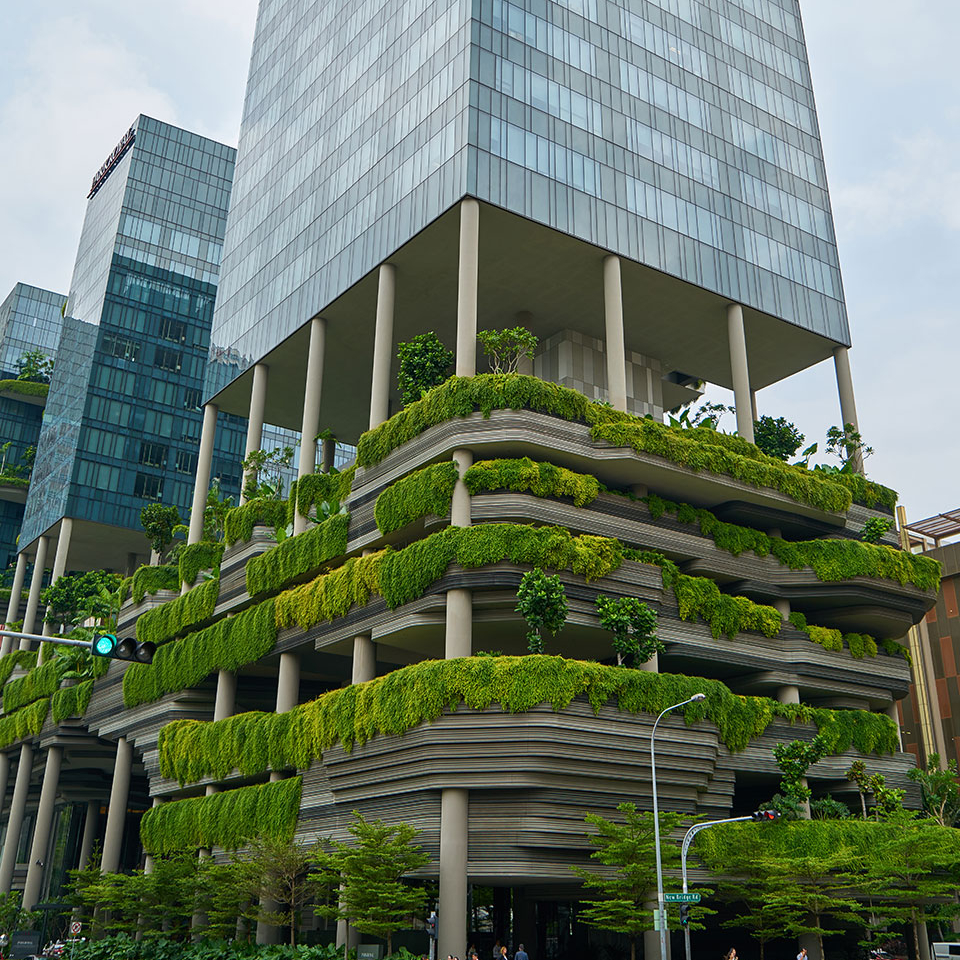
Groundscrapers
Pocket Parks
Micro Forests

Community Gardens
Rain Gardens
Urban Greening in Practice
At Scotscape, we’re eager to play our part in urban greening projects. Commissioned by Shaftesbury Capital PLC, we were tasked with installing a living wall at 5 - 7 Carnaby Street, London, softening the impact of a new double-height roof extension. Carnaby Street is a busy and attractive area, so the project needed to deliver immediate impact, whilst also increasing biodiversity levels and absorbing pollutants.
The installation involved a chevron tree planting design, inspired by the 60’s heritage pattern. All areas of the wall were covered by greenery, thanks to our bespoke planting panels, and we designed multiple zones to ensure the greatest control over the delivery of irrigation to all parts of the living wall.
Explore Our Urban Greening Installations for More Sustainable Cities!
At Scotscape, our innovation-led company offers a whole host of different installations to breathe new life into the UK’s surrounding towns and cities. From vertical gardens to living pillars, all of our products are designed to increase air quality, visual interest, wildlife biodiversity, and ultimately, urban sustainability. For more information, please get in touch with us today, and we’ll be happy to help.


