An Expert Guide to Living Walls, How They Work, and Why They Matter
Cities across the world are facing mounting challenges. Rising populations, shrinking green space, and the urban heat island effect are all contributing to environments that are hotter, more polluted, and less welcoming for both people and wildlife. Finding innovative ways to reintroduce greenery into the urban landscape is more important than ever, and living walls provide one of the most creative and space-efficient solutions.
This article explores exactly what living walls (or green walls) are, how they work, where they can be used, and the benefits they bring to buildings, people, and biodiversity. Whether you’re new to the concept or looking to specify a system for a project, this guide offers clear, practical insight.
What Is a Living Wall?
A living wall, also known as a green wall, is a vertical structure that supports living plants. These systems are designed to allow greenery to grow on walls and façades, either inside or outside buildings, creating striking visual features that bring nature into the built environment.
While some professionals make small distinctions between terms (some referring to green walls as façades with climbing plants and living walls as engineered systems with integrated irrigation), in practice, these terms are used interchangeably.
Types of Green Walls
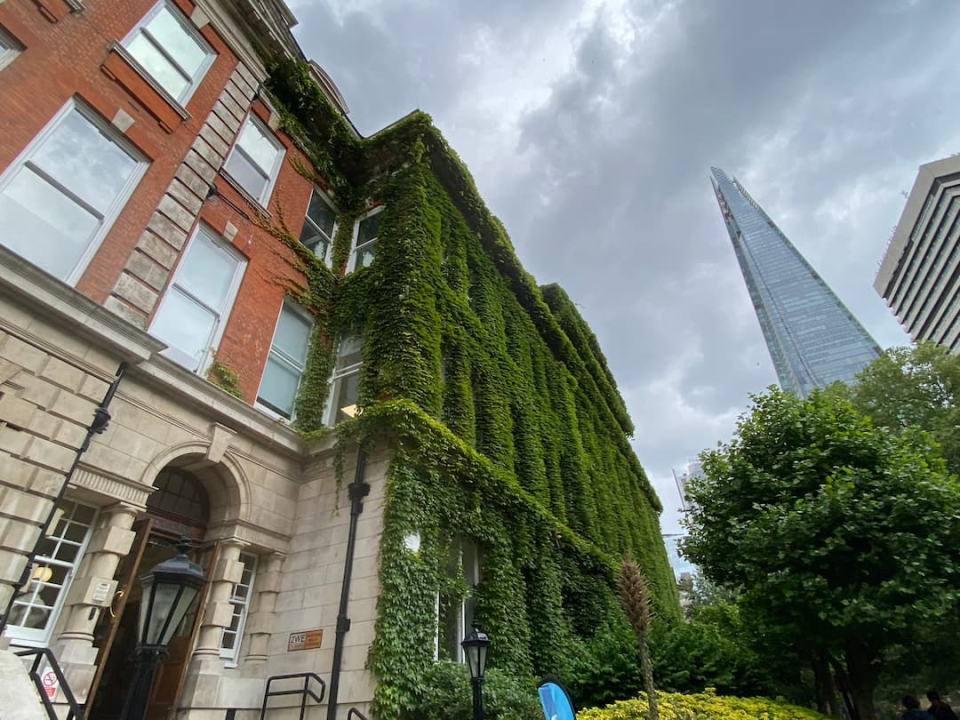
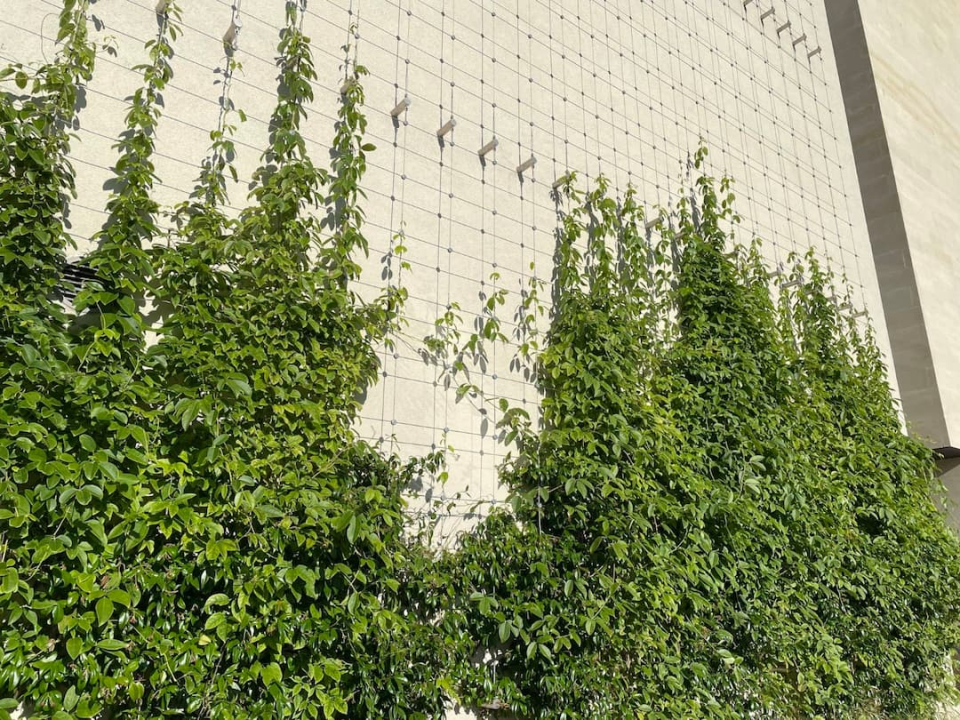
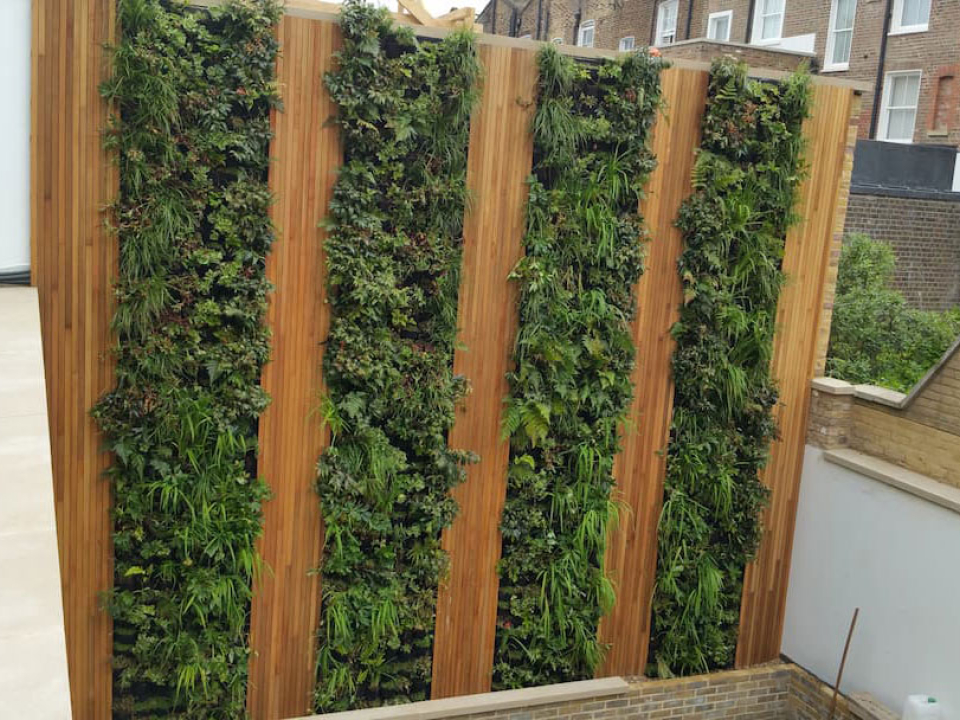
Green walls can broadly be categorised into:
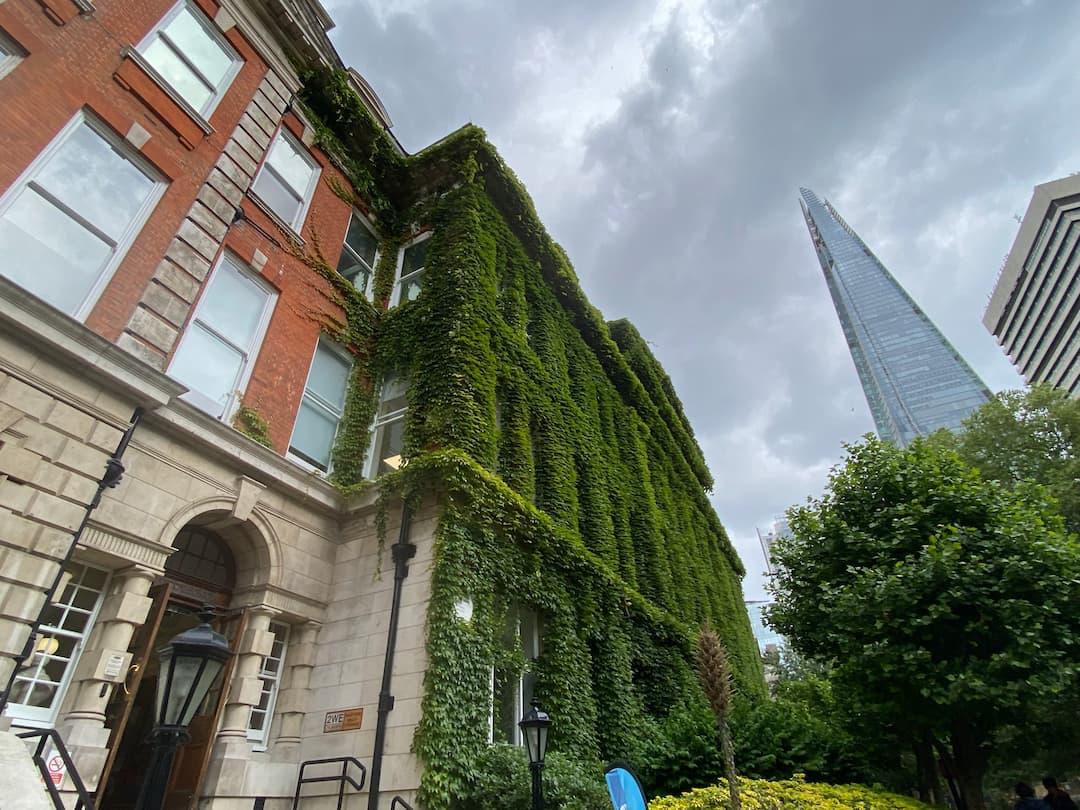
- Direct Greening: Climbing plants grow naturally up walls or structures. (Image Virginia creeper Guys Hospital)
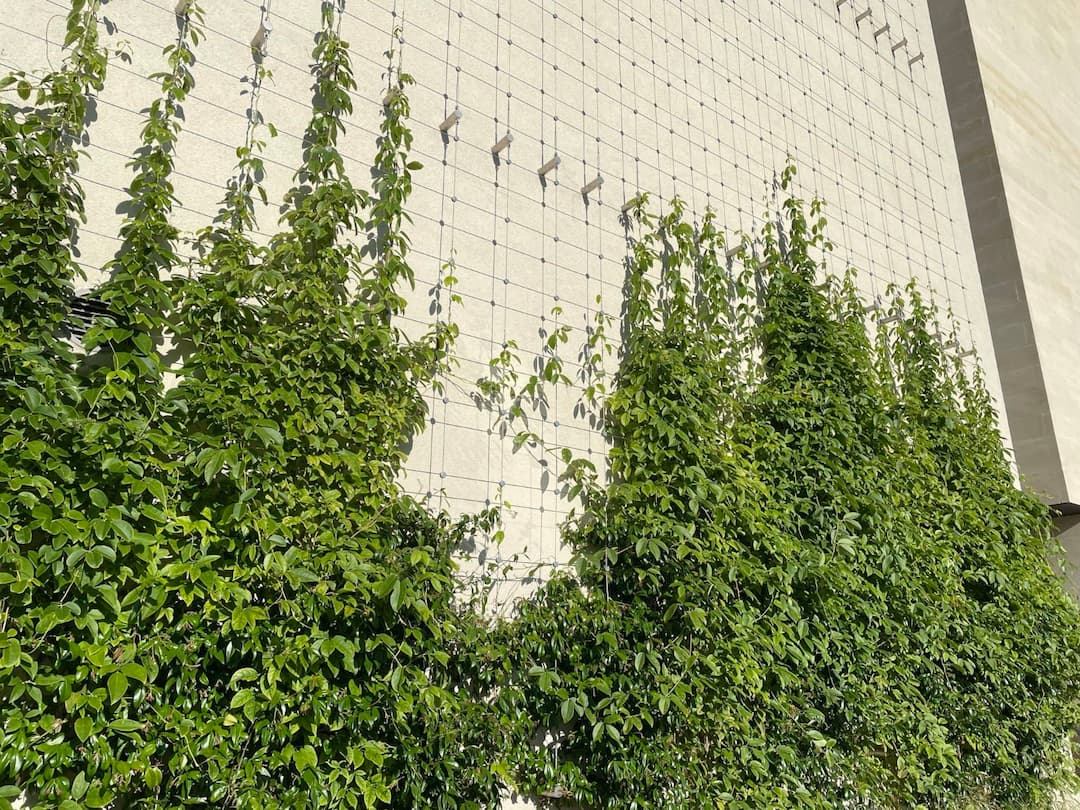
- Indirect Greening: Plants are trained up trellises, cables, or mesh fixed to façades. (Image Wire Trellis Fixed to Facade)
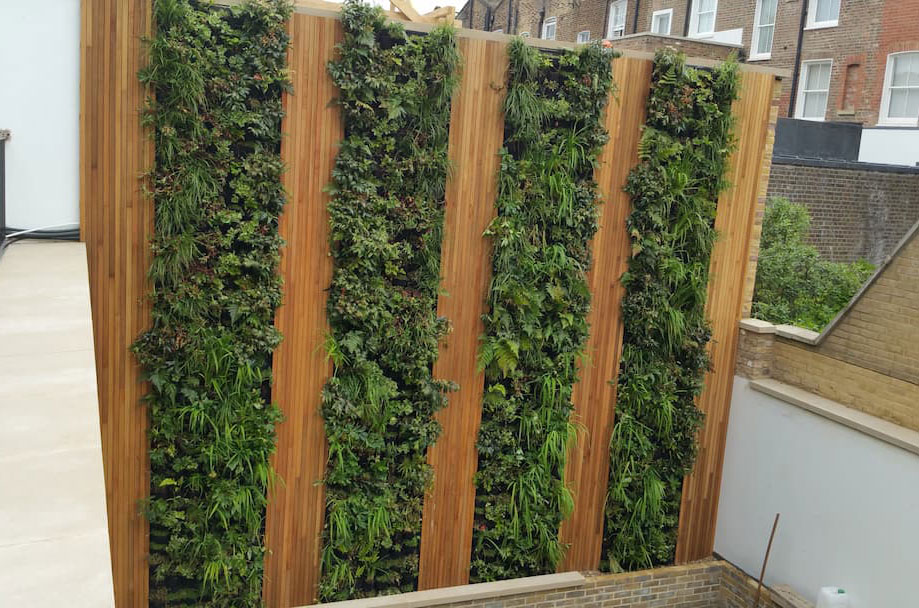
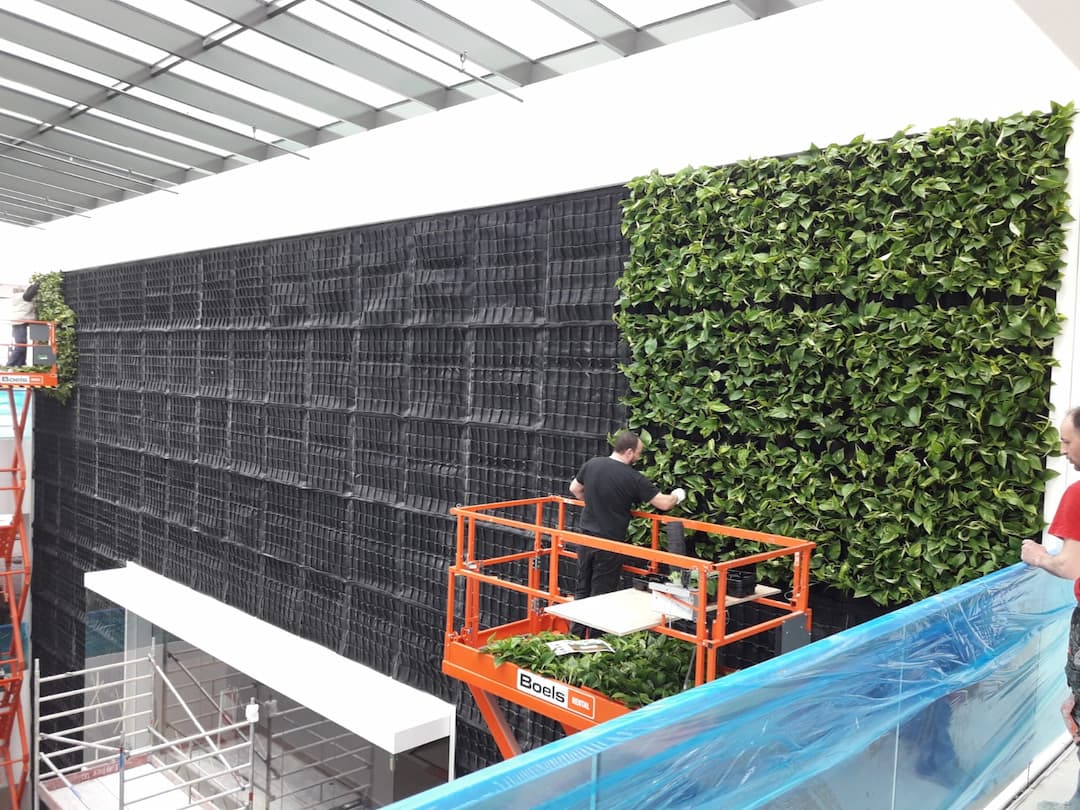
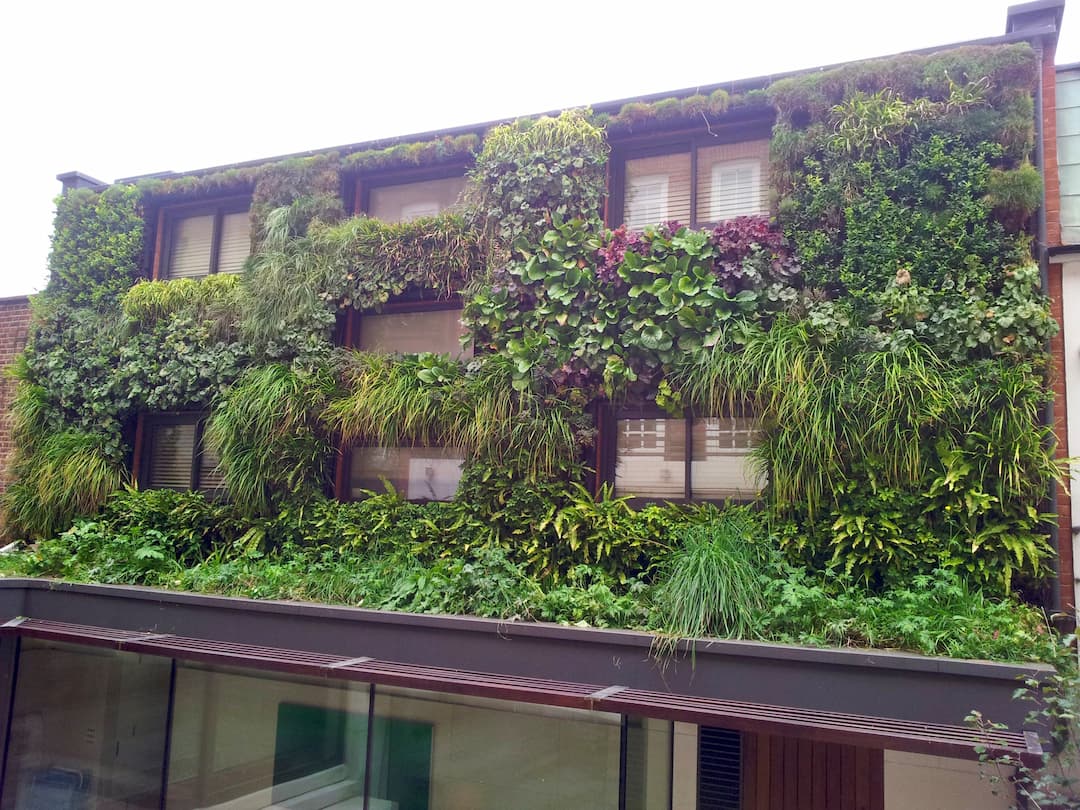
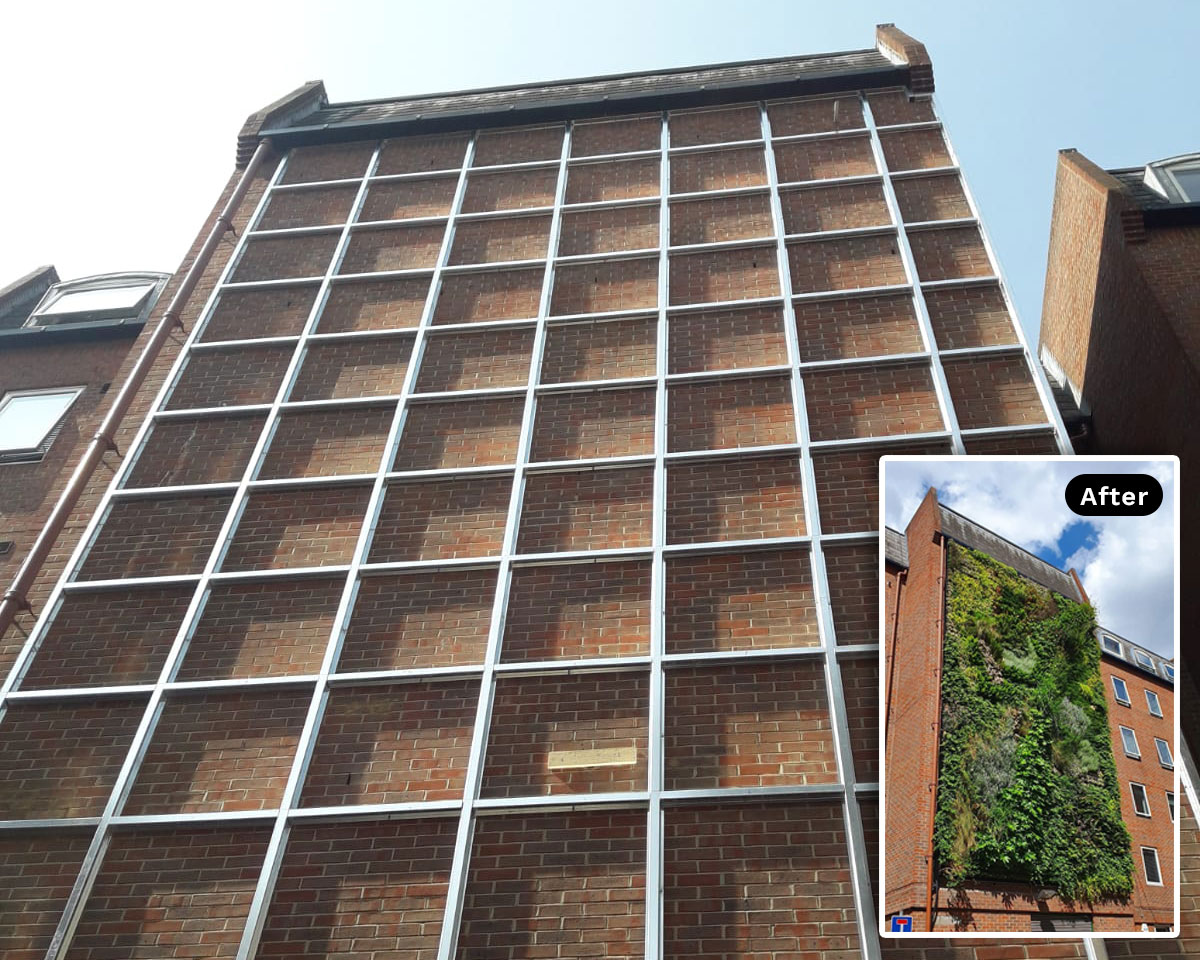
- Living Wall Systems: Modular systems where plants grow in panels or pockets, typically with integrated irrigation. (Image Modular system, Lonsdale Road, London)
Different Types of Living Wall Systems
With over 50 living wall systems available globally, selecting the right option can feel daunting. Systems vary in cost, complexity, and performance, and the best solution will depend on your project goals, scale, budget, and maintenance resources.
Broad Categories:
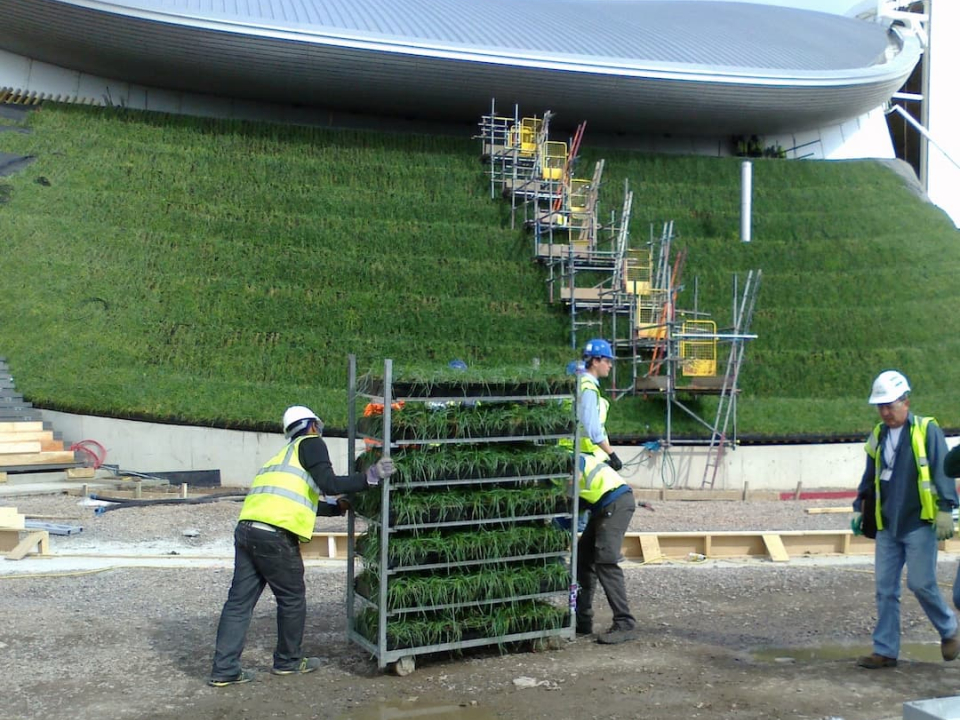

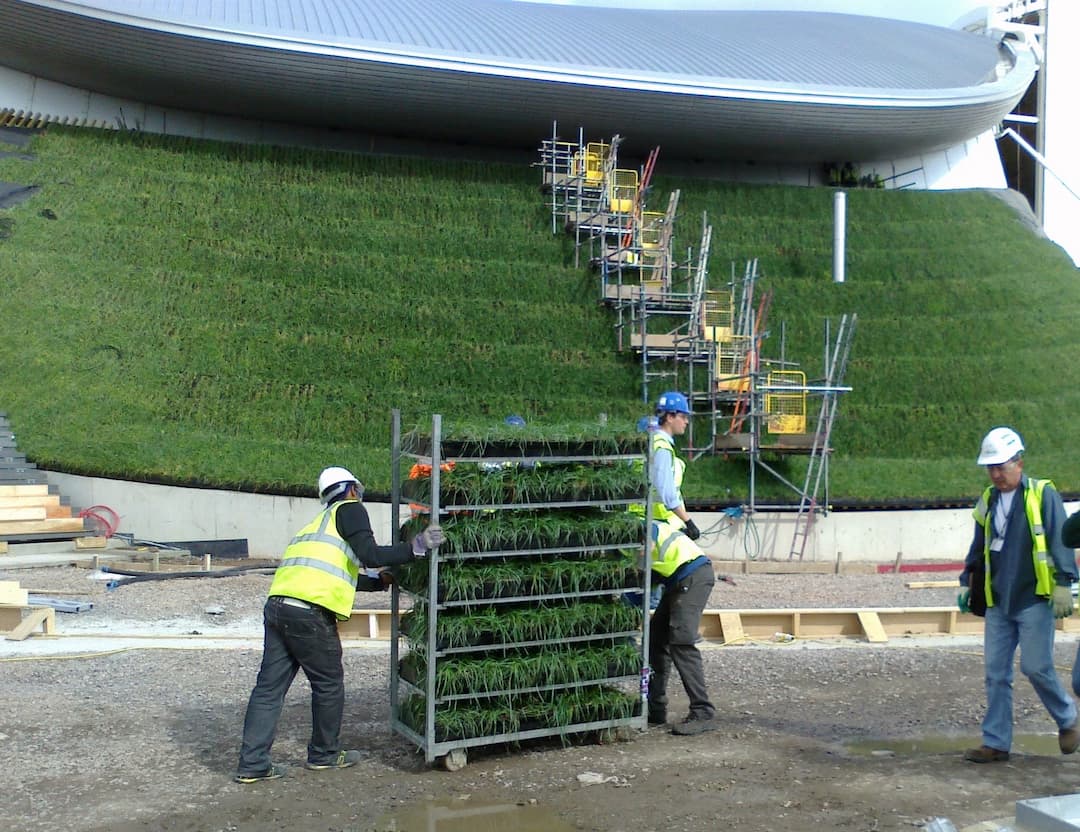
- Pre-grown panels or modules – Delivered ready-planted and installed for immediate visual impact.
- Site-planted systems – Frameworks are installed first, then planted on-site for greater design flexibility.
Subcategories by Growing Medium:
- Hydroponic systems (no soil)
- Semi-hydroponic systems (combination of soil and inert materials)
- Compost-based systems
Innovation
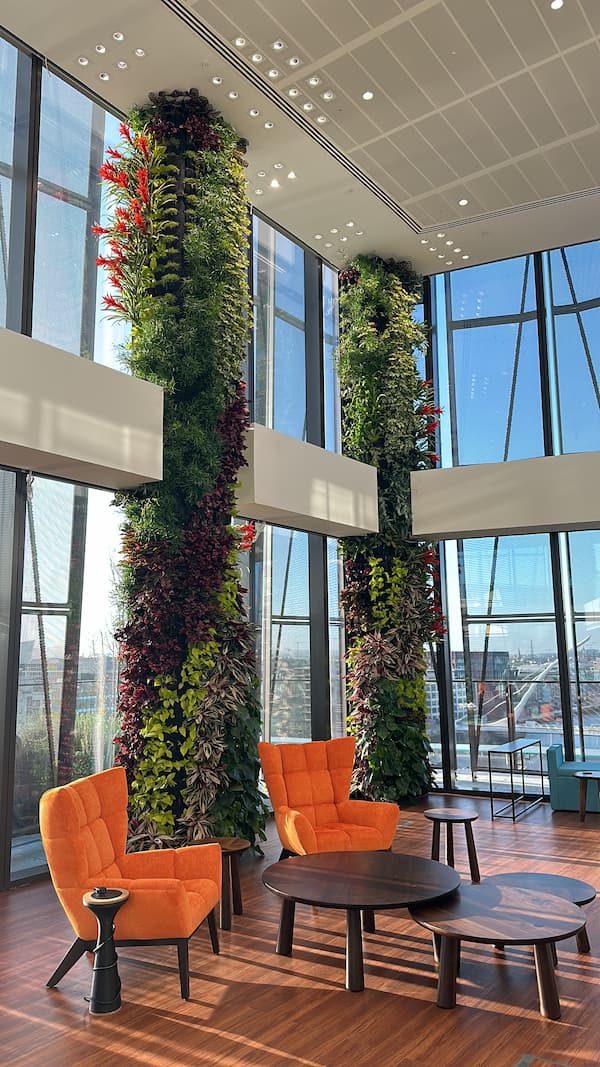
As the drive to encourage biodiversity into cities gains traction, innovative planting systems such as Living Art and Living Pillars are coming into the market, offering unique ways to incorporate greenery into urban spaces where traditional planting isn’t possible.
Where Can Living Walls Be Installed?
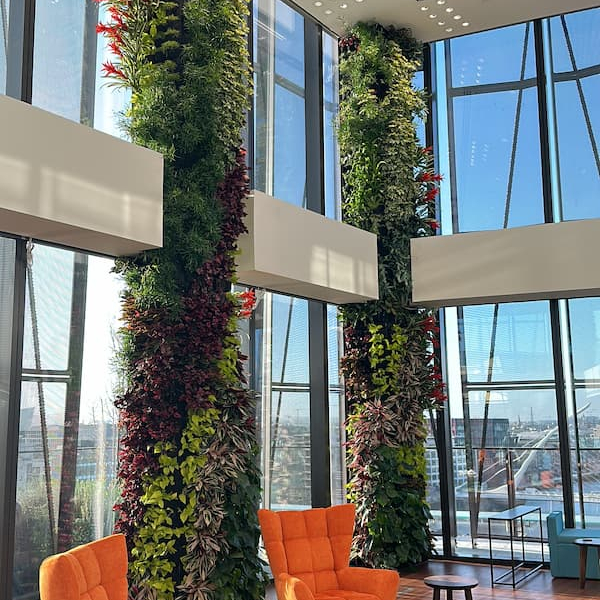

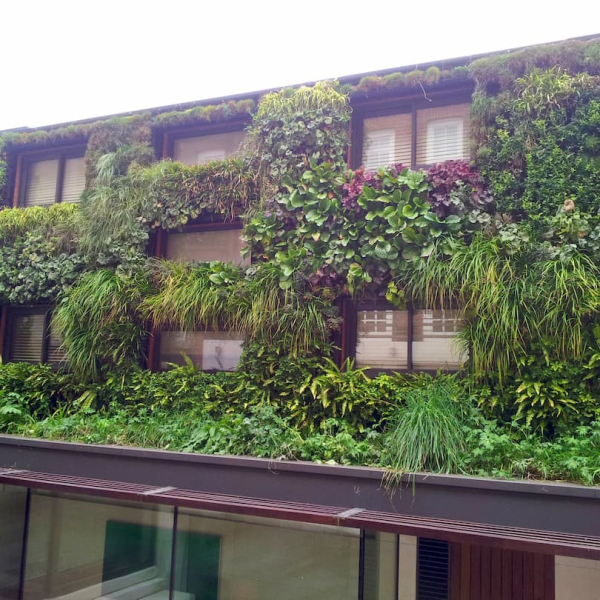
One of the greatest strengths of living walls is their versatility. They can be installed almost anywhere a structure exists to support them, both indoors and outdoors. Common environments include:
- Office Buildings — Supporting employee wellbeing and sustainability goals.
- Schools and Universities — Enhancing learning environments and providing biodiversity.
- Retail Spaces — Creating visual impact and drawing customer attention.
- Public Buildings — Reinforcing sustainability credentials in civic spaces.
- Healthcare Facilities — Promoting wellbeing through biophilic design.
- Hotels Hospitality & Recreation — Enhancing guest experience with natural beauty.
- Residential Developments — Improving property value and supporting urban biodiversity.
The Benefits of Living Walls
Environmental Benefits
- Improved Air Quality – Filtering pollutants and dust from the air.
See our Greenwich case study on Living Pillar pollution absorption. - Urban Cooling – Reducing local temperatures and mitigating heat islands.
- Noise Reduction – Softening sound in busy environments.
- Biodiversity – Supporting pollinators and urban wildlife.
Check out our biodiversity report published with the University of East London.
Health and Wellbeing Benefits
- Biophilic Design – Enhancing mental health and reducing stress.
Check out our Interior Landscaping services here - Healthier Indoor Spaces – Improving air quality and wellbeing.
- Increased Productivity – In work environments, greenery has been linked to higher performance.
Architectural and Commercial Benefits
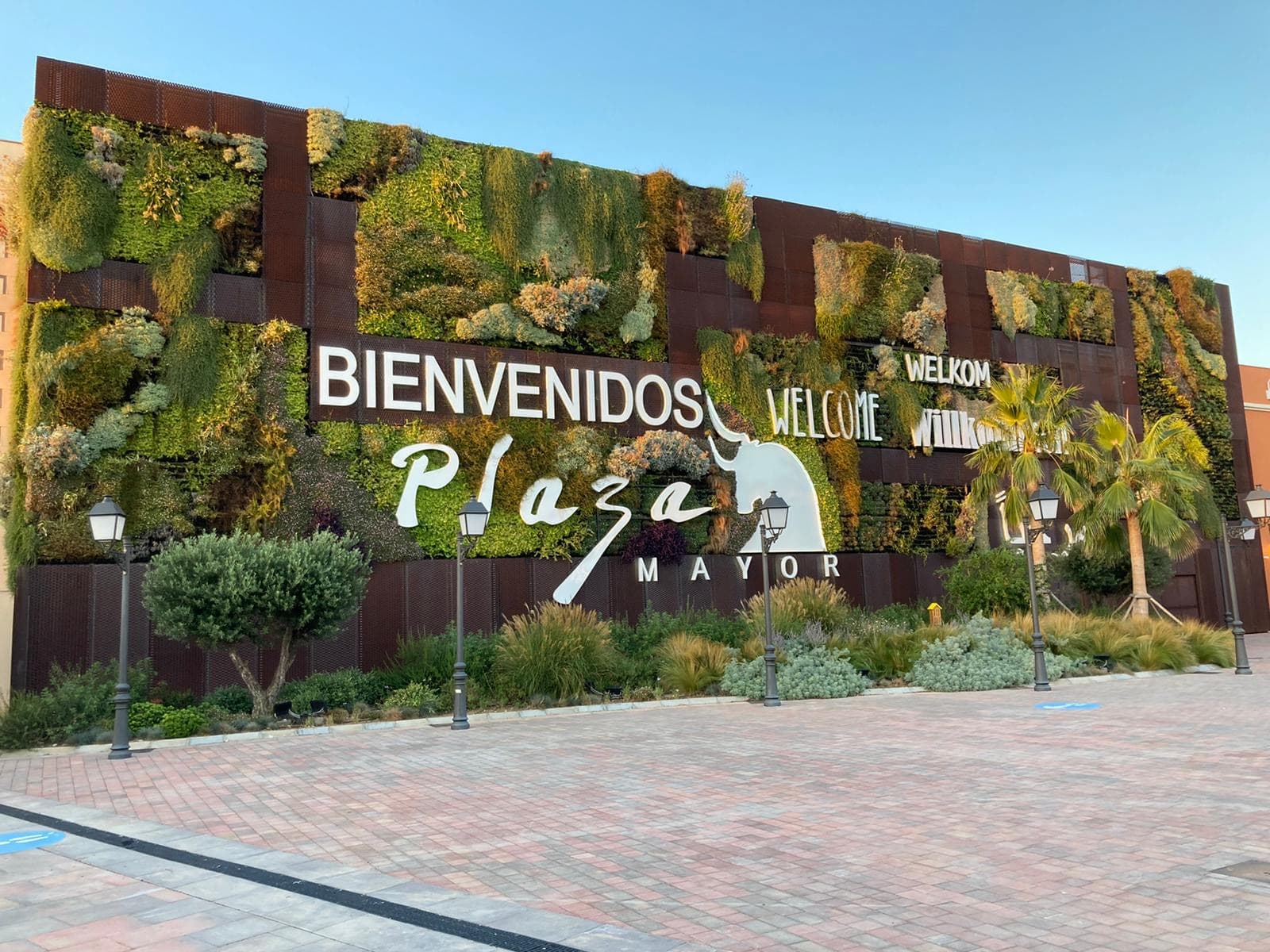
- Enhanced Aesthetics – Transforming buildings with dynamic, natural features.
- Increased Property Value – Boosting desirability and sustainability credentials.
- Flexible Design Options – From small features to large-scale façades.
Operational Benefits
- Thermal Insulation – Helping regulate building temperatures
See our research on thermal insulation benefits here. - Stormwater Management – Absorbing rainfall into rainwater harvesting tanks and re-using for irrigation and subsequent reducing runoff.
See how our living wall installation for Team London Bridge helped manage stormwater. - Efficient Maintenance – Smart systems reduce resource use and cost.
What Type of Plants Do Living Walls Use?
The success of any living wall relies on selecting the right plants, not only for aesthetic impact, but for long-term health and resilience. At Scotscape, our horticultural team brings expert knowledge to carefully select species suited to your project’s specific site conditions: Light levels, orientation, exposure, and design intent are all considered to ensure your living wall thrives.
Outdoor Living Walls
For exterior walls, we create schemes using a combination of evergreens for year-round coverage, seasonal species for biodiversity gains, and sprawling groundcovers for softness and movement. Our planting designs are inspired by nature’s resilience, selecting species that perform in the UK’s varied conditions, from urban wind tunnels to more sheltered environments.
Popular choices include:
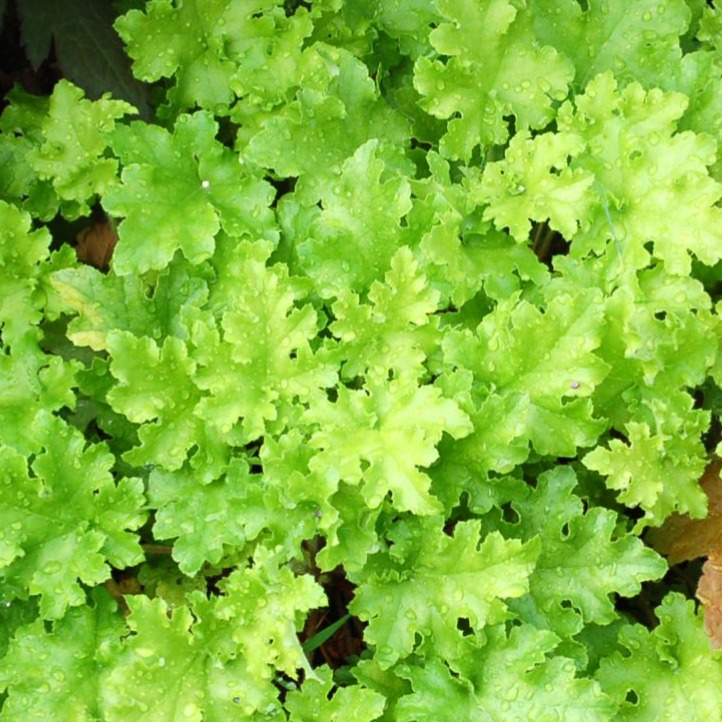
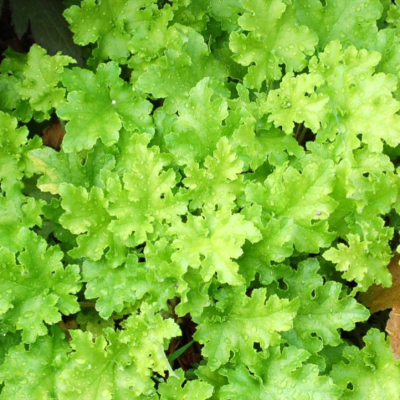
- Heuchera – Evergreen foliage in vibrant colours for year-round visual interest.
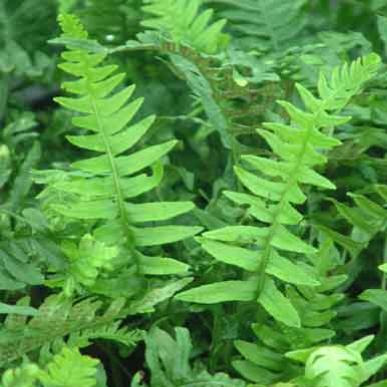
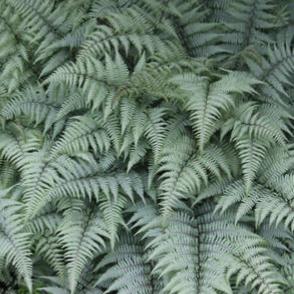
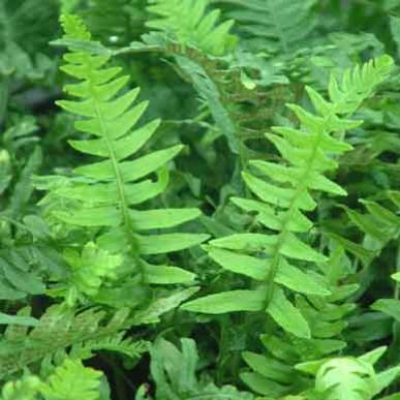
- Ferns – Thriving in shaded spots, their natural affinity for vertical spaces makes them ideal (Polypodium and Polystichum are favourites for their adaptability and texture).
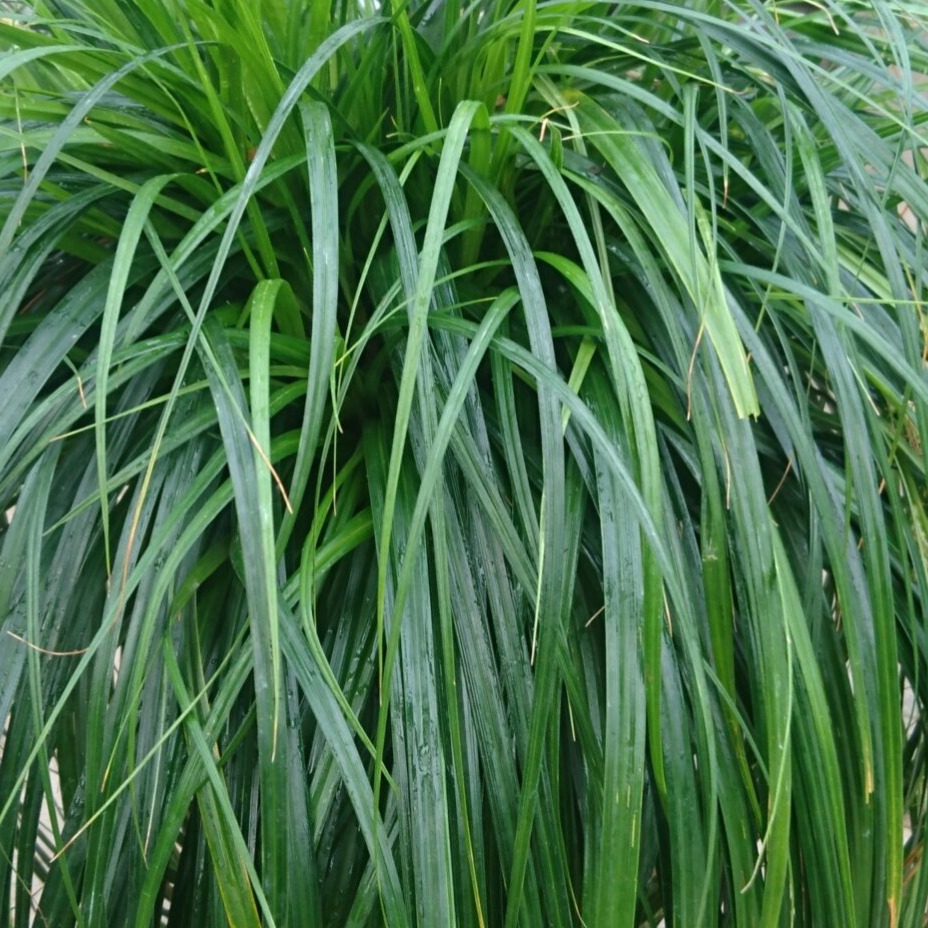
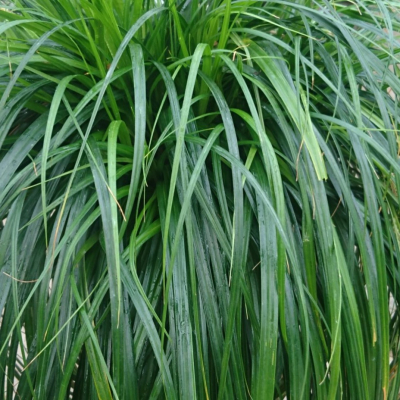
- Carex – Hardy ornamental grasses bringing texture and movement (e.g., Carex ‘Ribbon Falls’).
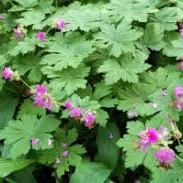
- Geranium (Cranesbill) – A pollinator-friendly classic, tolerant of both sun and shade (Geranium macrorrhizum ‘Bevan’s Variety’).
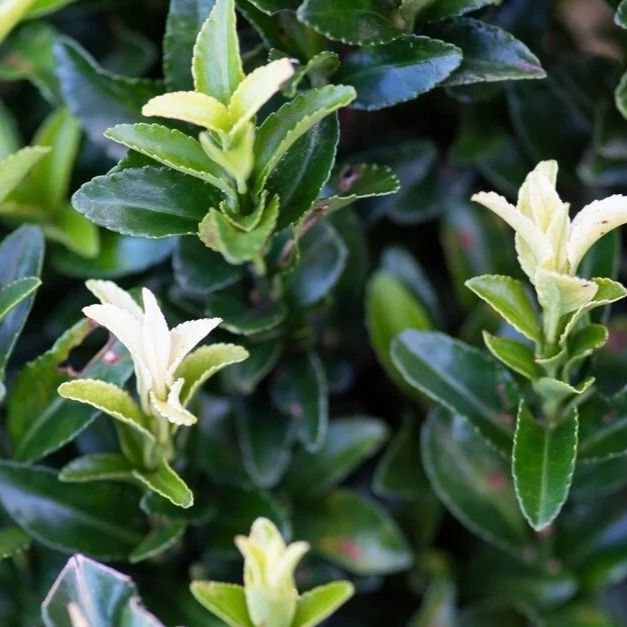
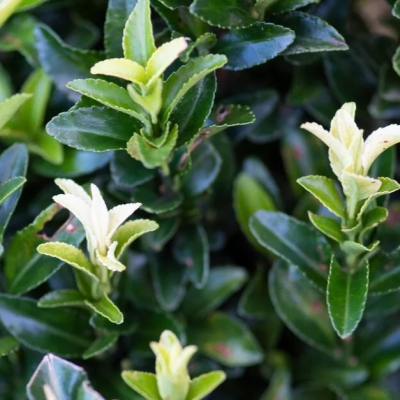
- Euonymus – Available in upright or trailing forms, with both deep greens and variegated foliage for visual structure (Euonymus japonicus ‘Paloma Blanca’).
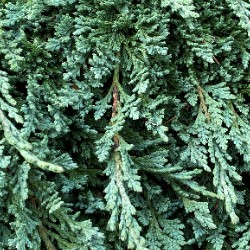
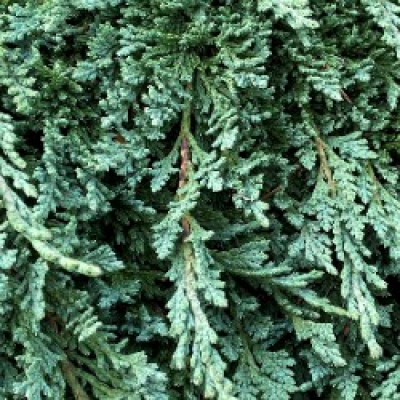
- Conifers – Inspired by nature’s vertical landscapes; resilient, textured, and evergreen (Juniperus horizontalis ‘Wiltonii’).

Indoor Living Walls
Interior plant selection focuses on species that thrive in stable, temperate environments with lower light levels. Many also bring air-purifying and wellbeing benefits to indoor spaces.
Popular choices include:
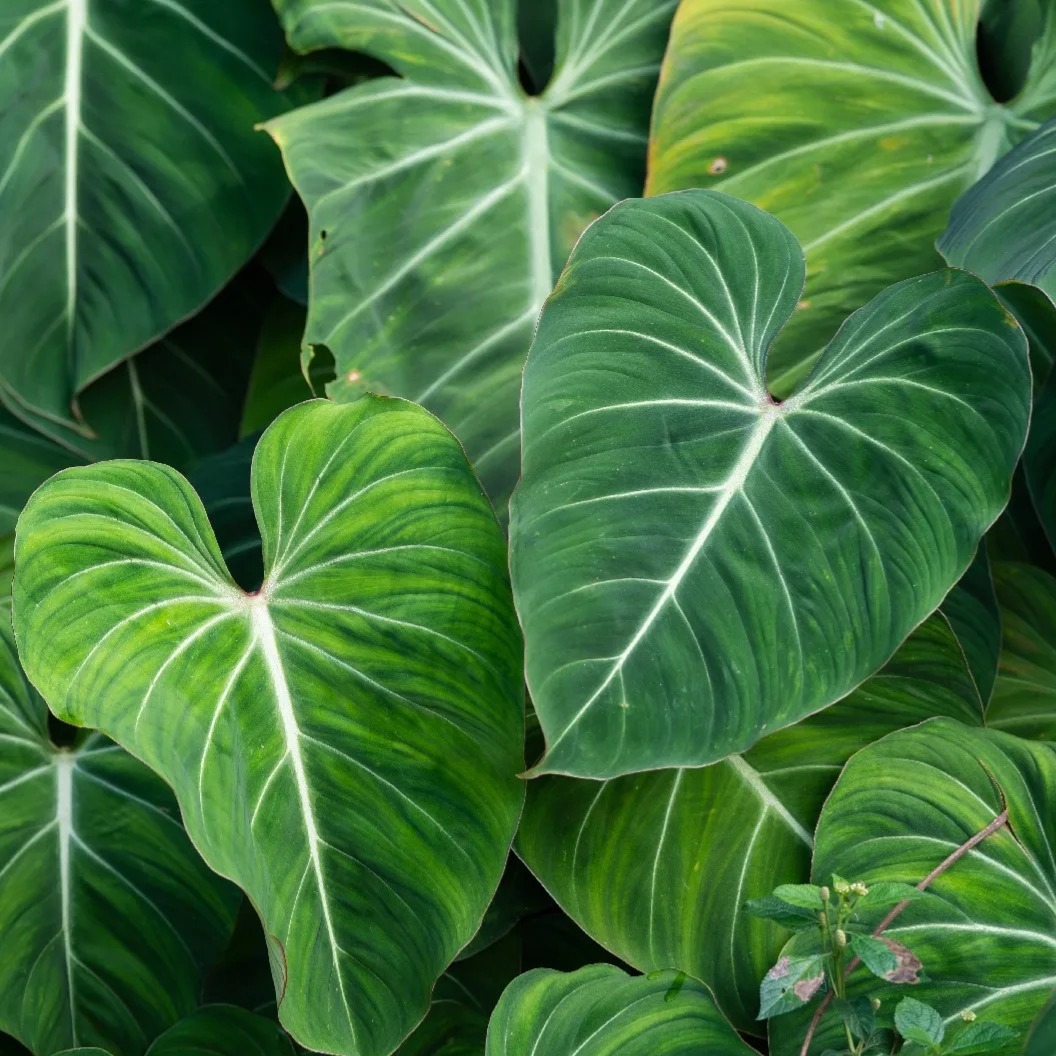
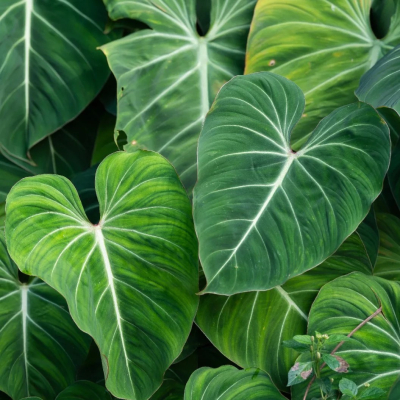
- Philodendron – A versatile family of epiphytes ideal for vertical environments (Philodendron gloriosum for dramatic, velvety foliage).
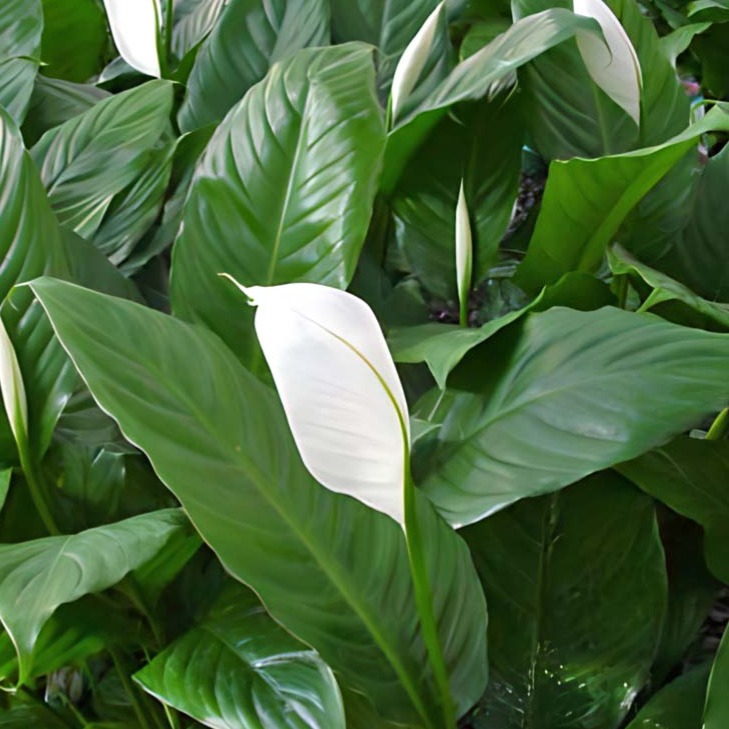
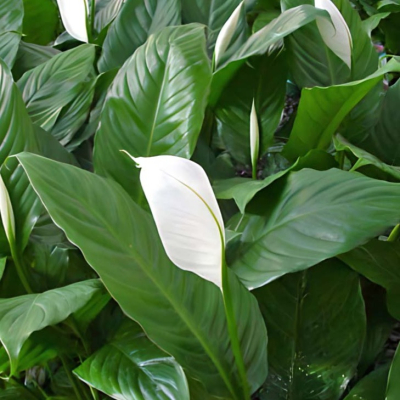
- Spathiphyllum (Peace Lily) – Excellent for moisture regulation and air purification; visually communicative when in need of care.
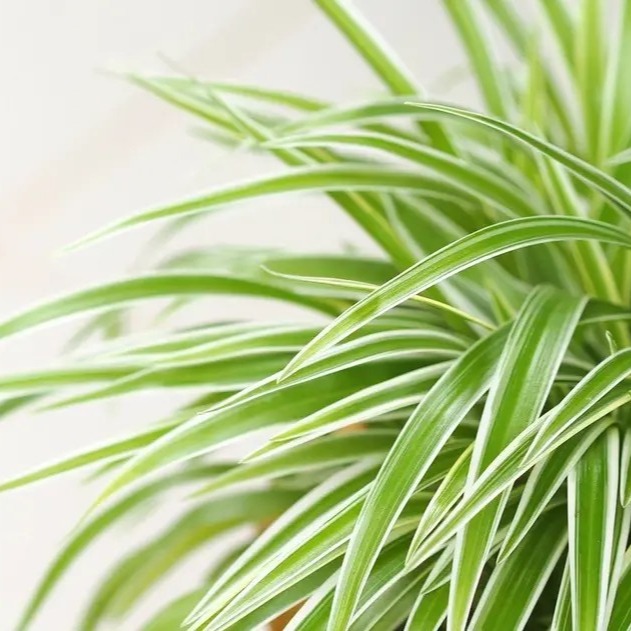
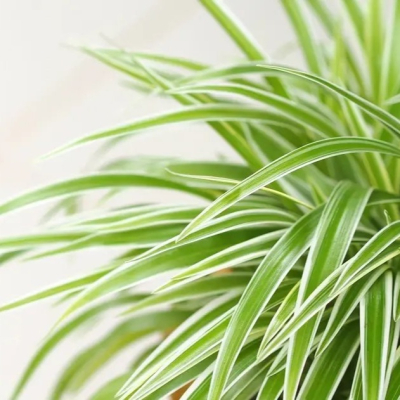
- Chlorophytum comosum (Spider Plant) – Air-purifying, soft, grass-like foliage.
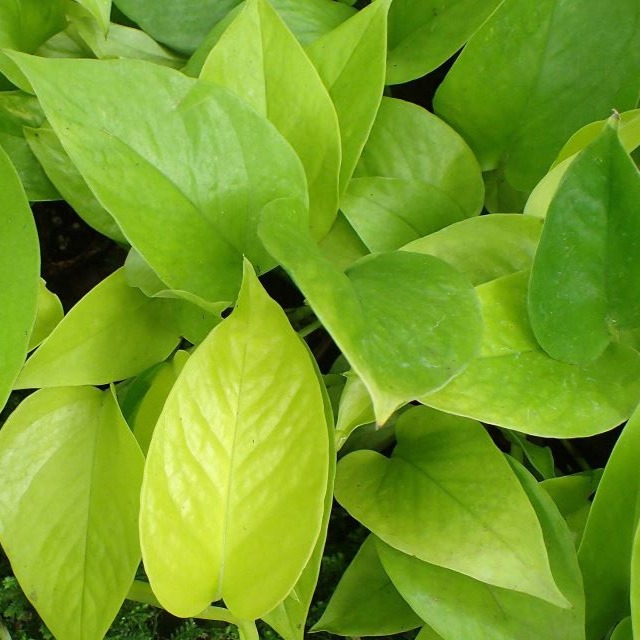
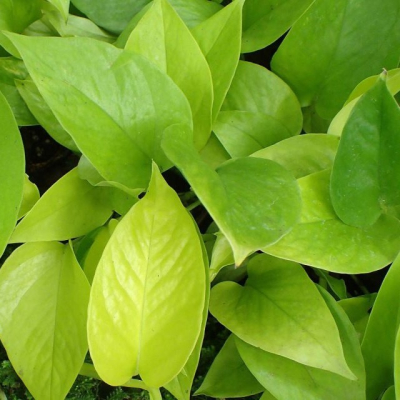
- Epipremnum aureum (Pothos) – Trailing habit, ideal for lush coverage.
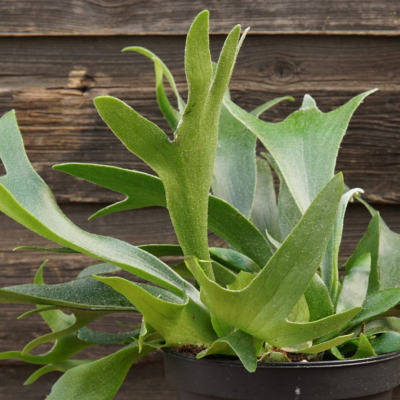
- Ferns – Asplenium nidus for bold foliage; Platycerium bifurcatum (Staghorn Fern) adds architectural flair.

Tailored Planting for Performance and Aesthetics
We don’t believe in ‘one-size-fits-all’. Every living wall we design is tailored to achieve the best possible performance for your unique site. Our focus is on creating biodiverse, resilient, and visually stunning vertical landscapes that evolve and thrive — season after season, year after year.
Recommend Outdoor Plant List Recommend Indoor Plant List
How Are Living Walls Installed?
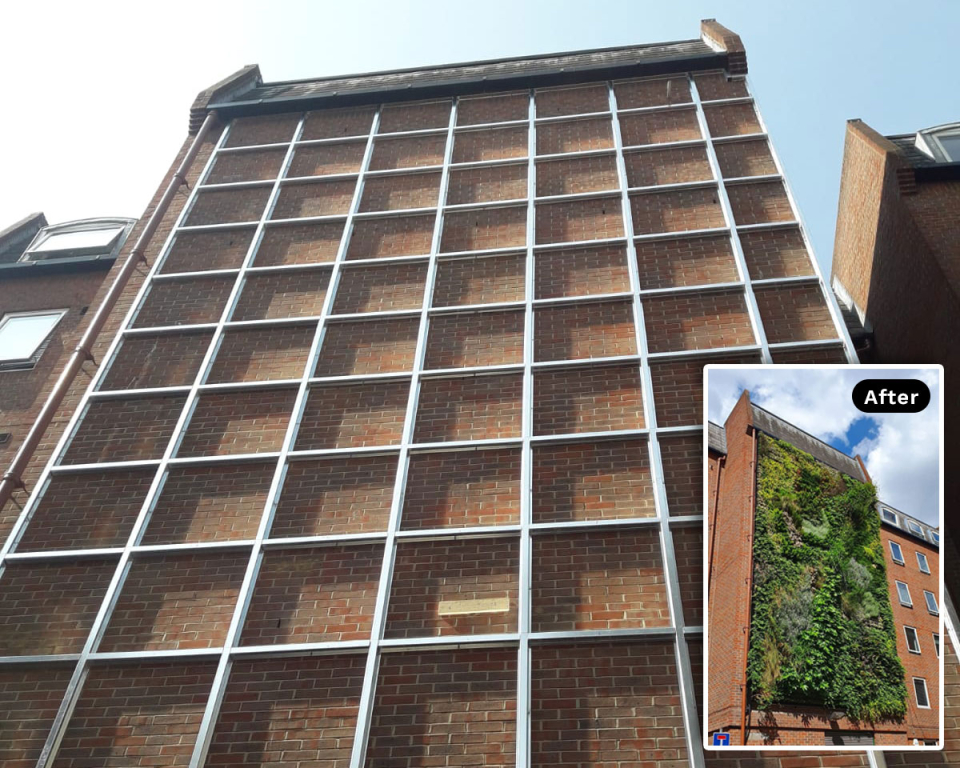
Installing a living wall requires careful planning and collaboration between architects, designers, and specialist contractors. Key factors influencing the design include the building’s structure, exposure to elements, accessibility for maintenance, aesthetic goals and increasing biodiversity.
The Installation Process Typically Involves:
- Structural Assessment and Design
Ensuring the sub-frame can support the long-term development of the living wall and that the building substructure is suitable for this design intent.
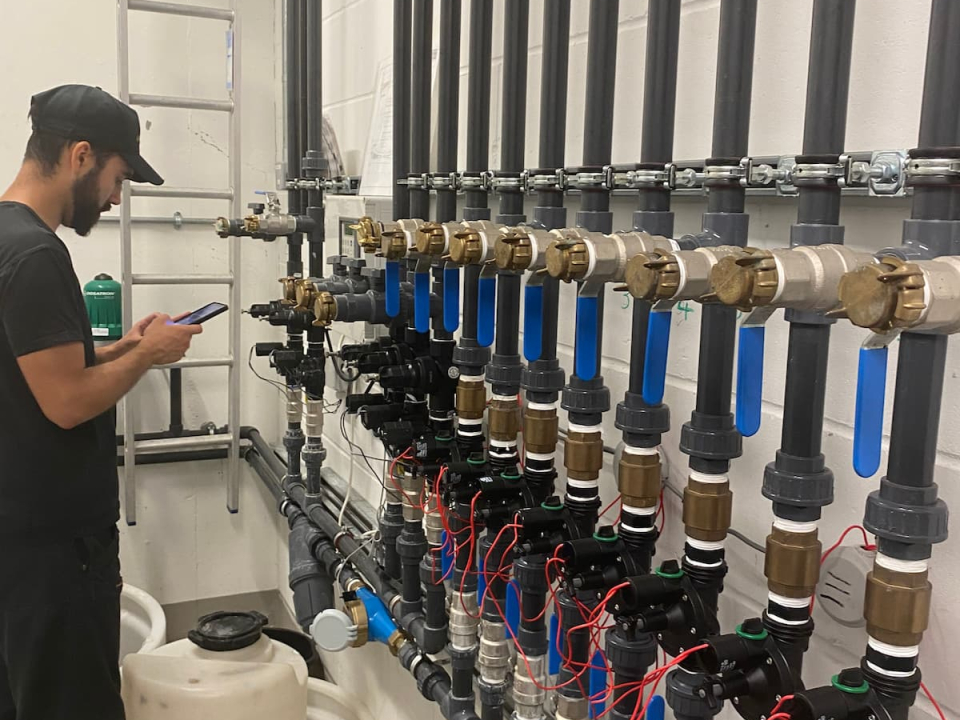
- Irrigation Integration
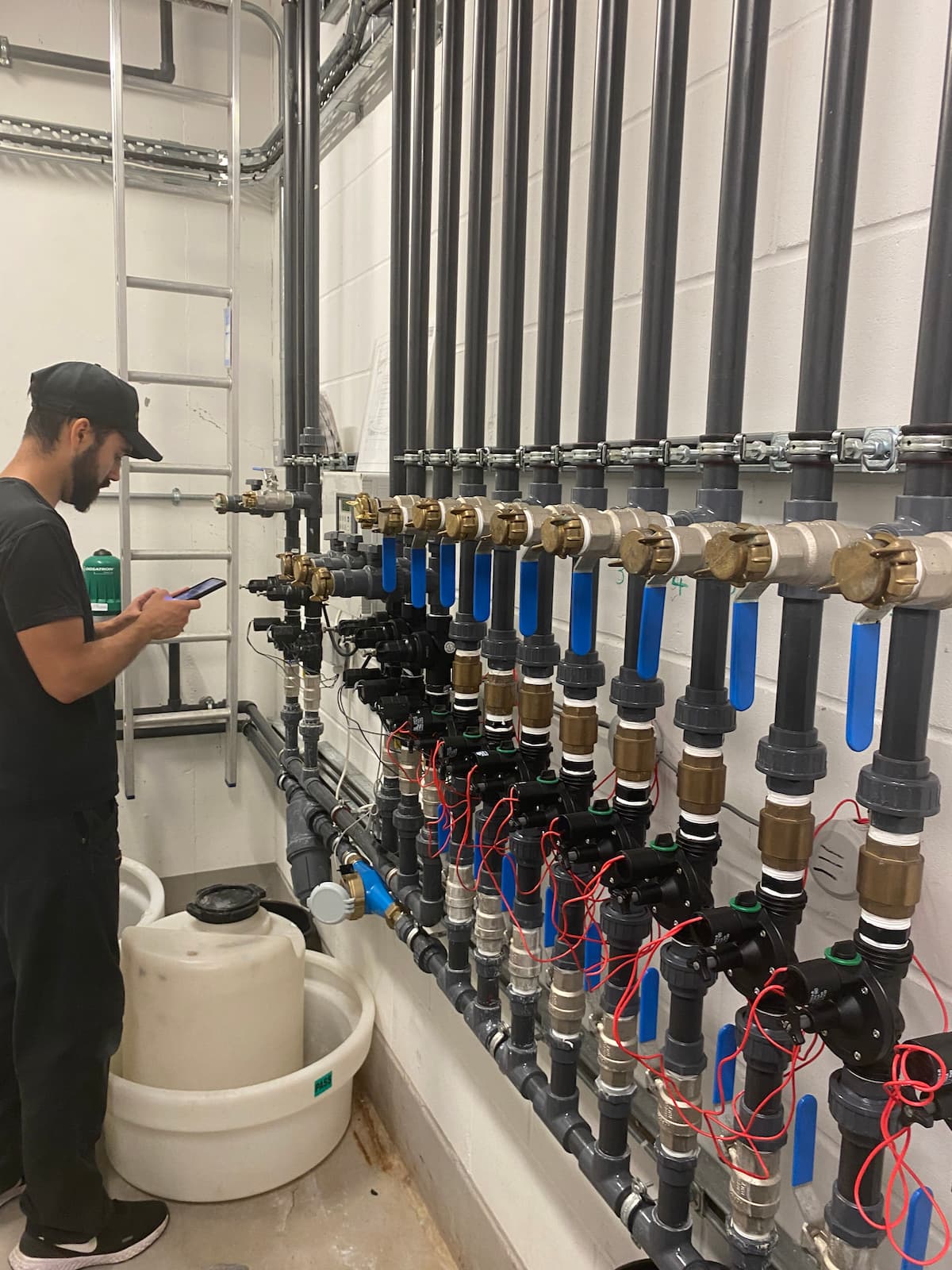
Irrigation is crucial and is the number one reason that a Living Wall may fail. Carefully designed fully automated irrigation systems with moisture sensors and remote access ensure plant health and reduce maintenance costs.
- Installation and Planting
Systems are installed according to detailed specification — either planted on-site or using pre-grown panels or wire trellis systems.
- Commissioning and Maintenance Planning
Once installed, irrigation is tested and the wall is monitored for performance. Ongoing maintenance is essential for long-term success.
How Long Do Living Walls Last?
When correctly specified and properly maintained, living walls can last decades. The planting should be refreshed or adapted over time as even plants can have a lifetime.
Key Factors Affecting Lifespan:
- Quality of the system and installation
- Suitability of the planting scheme
- Exposure to environmental conditions
- Maintenance routines
Tips for Maximising Longevity:
- Choose the right system for your location and goals
- Work with a professional living wall design team
- Select plants suitable for the site’s conditions
- Install reliable, automated irrigation
- Commit to regular maintenance and monitoring
- Refresh planting schemes periodically
- Work with experienced specialists
The Importance of Maintenance
Maintenance is essential for ensuring a living wall remains healthy, attractive, and effective. Regular checks keep irrigation systems functioning, prevent plant failures, and maintain the wall’s performance in terms of biodiversity and environmental impact.
Why Choose Scotscape for Your Living Wall Project?
With over 30 years’ experience in urban greening and a reputation as one of the UK’s most trusted experts, Scotscape offers a comprehensive, end-to-end service for living walls. From initial design and planning through to installation and long-term maintenance, Scotscape ensures every project is delivered with care, technical excellence, and deep horticultural knowledge.
- Proven Expertise – 20 years of experience in green infrastructure.
- Innovative Systems – Including our industry-leading semi-hydroponic fabric solution and LivingPillars.
- Turnkey Service – From concept and design to installation and ongoing care.
- Commitment to Biodiversity – Practical, impactful urban greening solutions.
- Trusted by Leading Architects and Developers – A track record of excellence across commercial, public, and residential sectors.
Whether you’re creating a statement façade, enhancing a workplace, or contributing to urban biodiversity, Scotscape can help you bring your living wall vision to life — beautifully, sustainably, and successfully.
Check Out Our Living Walls Service Get in Touch to Discuss Your Needs